Greece holds second place worldwide with 624 Blue Flag beaches in 2026
With 657 awarded sites in total, the country keeps its runner-up position among the 51 states in the programme, led by strong showings in Crete and Halkidiki.
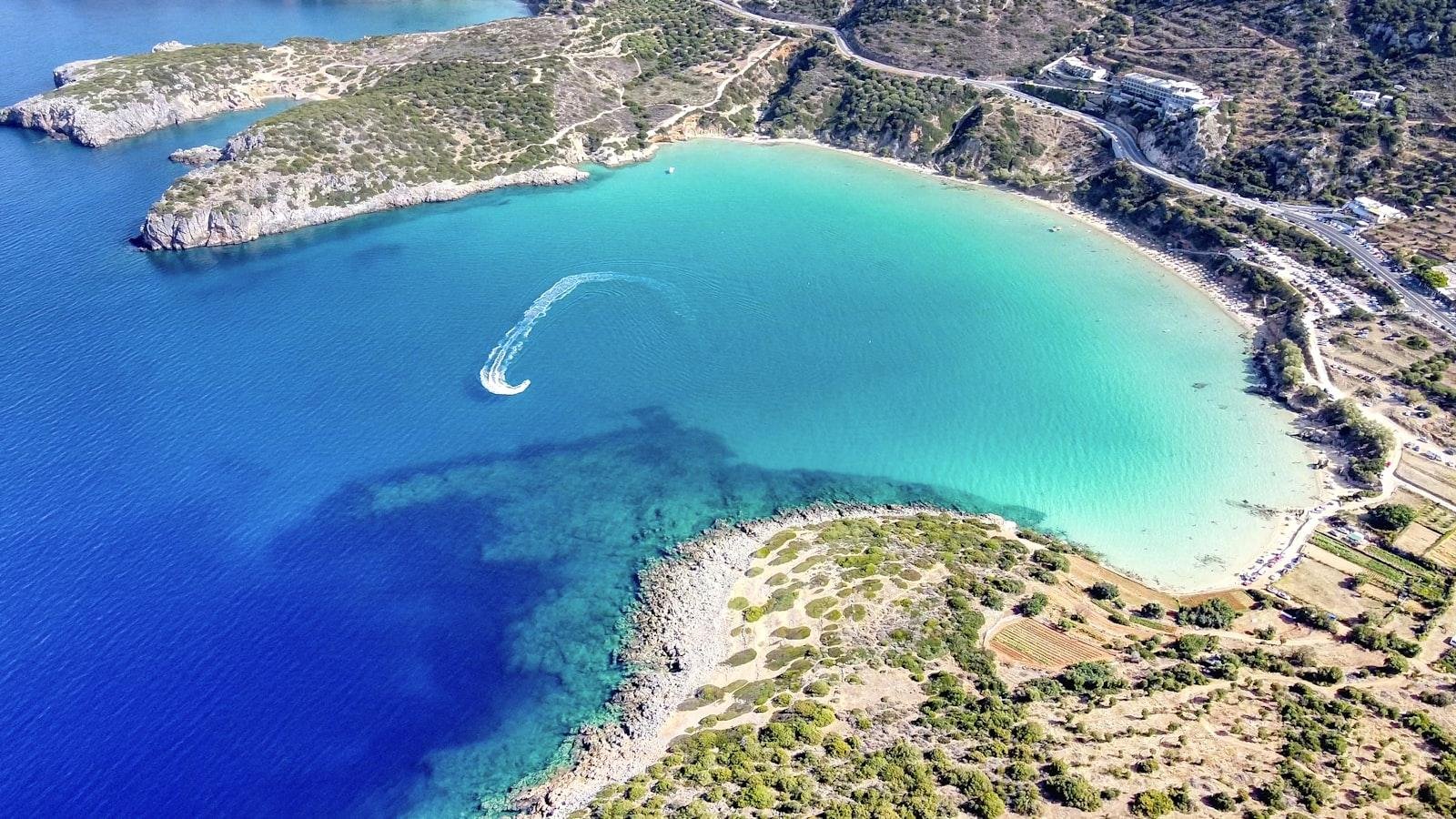
Greece has once again secured second place worldwide in the Blue Flag programme, with 624 beaches awarded the international eco-label in 2026, alongside 17 marinas and 17 tourism boats — a national total of 657 sites. The country holds its runner-up position among the 51 states taking part in the programme, behind Spain.
The award is a significant marker for a country where tourism remains one of the pillars of the economy: it signals how far beach infrastructure meets international standards and how committed municipalities, hotels and operators are to maintaining coastal quality.
Crete and Halkidiki lead the map
Certifications are heavily concentrated in a handful of regions. Crete tops the national ranking with 154 Blue Flags spread across the island, while the regional unit of Halkidiki recorded the highest number of awarded beaches with 93.
The distinction confirms coastal quality, but it does not erase open questions around coastal development and public access.
Greece's consistent second place reinforces its standing as one of the leading Mediterranean destinations for travellers seeking clean, safe and well-managed beaches — a position it has held for several consecutive editions of the programme.